Keeping Your Baby Safe and Snug When the Weather Turns Cold
The nights are drawing in, the heating's going back on, and if you're anything like the parents I work with, you're probably standing over the cot at 7pm wondering: is my baby warm enough?
It's one of the most natural worries there is. When we feel cold, our instinct is to pile on the layers, reach for the thick blanket, and pop a hat on our little one. But when it comes to safe sleep, that instinct can actually work against us.
The Lullaby Trust, the UK's leading safe sleep charity, is clear on this: babies are safer sleeping a little on the cool side than too warm. Overheating is a known risk factor for sudden infant death syndrome (SIDS), so getting the balance right really matters.
Here's how to keep your baby safe, comfortable and sleeping well through the colder months.
1. Aim for a room temperature of 16–20°C
The ideal room temperature for a sleeping baby is between 16 and 20°C. That might feel a bit chilly to you, but it's the sweet spot for safe sleep.
A simple room thermometer is one of the best things you can have in the nursery (or wherever your baby sleeps). It takes the guesswork out of it, especially in winter when rooms can swing from cold to toasty once the heating kicks in.
If the room drops a little below 16°C, you don't need to panic. Simply add a lightweight layer of clothing, a light blanket, or switch to a higher tog sleeping bag.
2. Check the right place: chest or back of the neck
This is the one I wish every parent knew. Your baby's hands and feet are not a good guide to how warm they are. Little hands and feet are often cool to the touch, and that's completely normal.
Instead, pop your hand on their chest or the back of their neck:
Feels warm? Perfect, that's exactly what you want.
Sweaty or clammy? They're too hot. Remove a layer of clothing or bedding.
3. Hats off indoors
Babies regulate their temperature through their heads, so a hat or hood indoors can quickly lead to overheating. Always take hats and hoods off when you come inside, and when your baby is in the car, too.
The same goes for outdoor clothing. That cosy snowsuit or pramsuit is brilliant for a winter walk, but if your baby falls asleep on the way home, take it off once you're back indoors.
4. Sleeping bags: the right tog, nothing on top
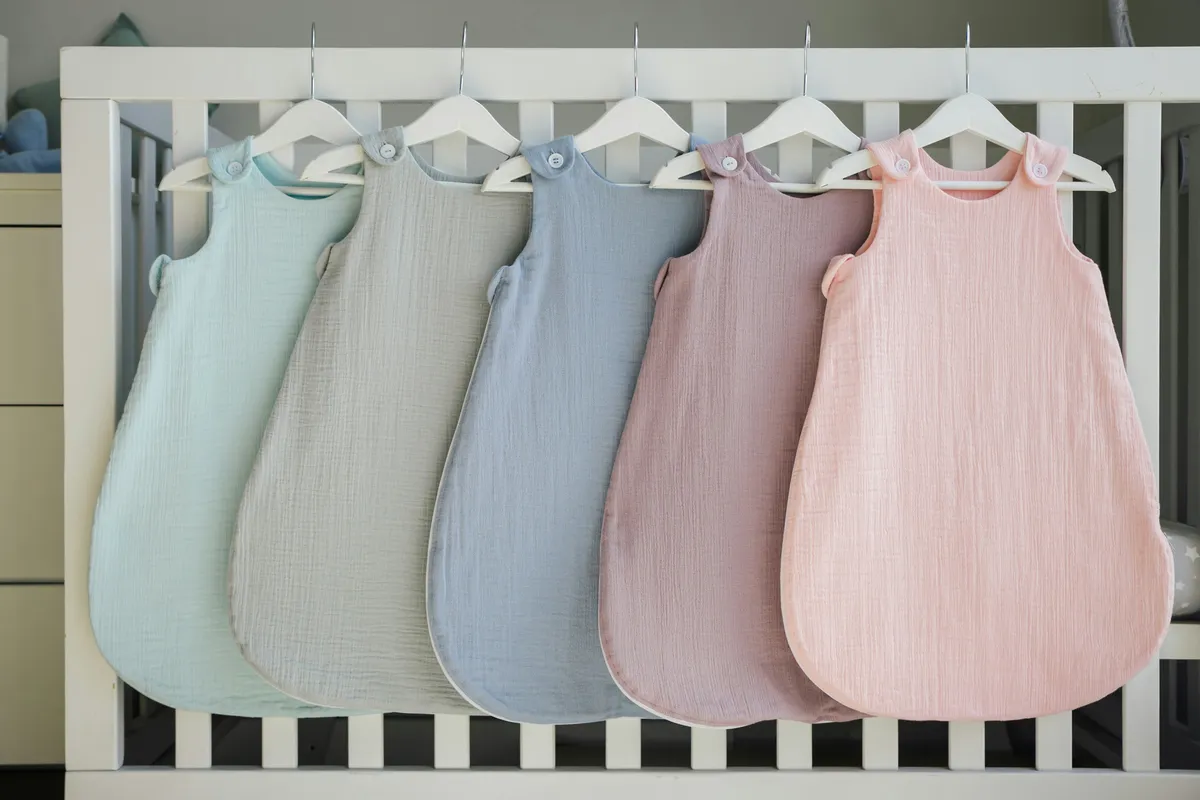
A well-fitting baby sleeping bag is a brilliant option all year round, and especially in winter. A few things to keep in mind:
Don't add blankets on top of a sleeping bag.
Choose a seasonal tog. It's worth having a higher tog bag for winter and a lighter one for summer.
If your baby seems cold, add a layer of clothing underneath or move up a tog, rather than adding loose bedding.
Check the fit. Your baby shouldn't be able to slip down inside the bag. Most sleeping bags are sized by weight rather than age, so check the manufacturer's guidance.
You might be looking for a handy chart that tells you exactly which tog to use at which temperature. The Lullaby Trust deliberately doesn't give one, because every sleeping bag is made differently, layers underneath trap extra warmth, and every baby is different too. Use the room temperature as your starting point, then let the chest-and-neck check guide you.
5. Using blankets? Keep them light and tucked in
If you use sheets and blankets rather than a sleeping bag:
Place your baby in the feet-to-foot position, with their feet at the very bottom of the cot or Moses basket, so they can't wriggle down under the covers.
Tuck blankets in firmly, no higher than their shoulders.
Stick to lightweight sheets and cellular blankets. Avoid duvets, quilts, and anything thick, fleecy or padded.
Remember: a blanket folded in half counts as two layers.
6. Keep heat sources away from the cot
When the radiators are on full, it's easy to forget how much heat they throw out.
Position the cot away from radiators, heaters and other heat sources.
If you're using a portable heater, make sure it's pointing away from your baby.
Never use a hot water bottle in any sleep space, including your own bed if your baby is sleeping with you.
7. If you bedshare in winter
Some families bedshare, whether planned or not, and colder nights can make it more tempting. If you do, the Lullaby Trust's advice is:
Keep your duvet and pillows away from your baby, down at your waist height. If you're cold, add layers to yourself rather than pulling more bedding up.
Never put your baby under adult bedding to warm them up.
A baby sleeping bag is a safer choice than loose covers.
Remember that your body heat makes the bed warmer, so your baby may need fewer layers than in their cot.
Never fall asleep with your baby on a sofa or armchair.
Bedsharing is not safe if anyone in the bed smokes, if your baby was exposed to smoking during pregnancy, if you've had alcohol, drugs or medication that makes you drowsy, if your baby was born before 37 weeks, or if they weighed 2.5kg (5.5lb) or less at birth.
8. Products to avoid
Winter can bring a wave of "cosy" sleep products. The Lullaby Trust advises against:
Weighted sleeping bags, swaddles or blankets for babies under one
Cot bumpers
9. When your baby is poorly
Winter often means coughs, colds and bugs. If your baby is unwell, trust your instincts. The free Baby Check app can help you decide whether your baby needs to see a doctor. If you're worried, call NHS 111, and in an emergency call 999 or go to A&E.
If you're struggling with heating costs this winter, you're not alone. The Lullaby Trust signposts organisations such as the National Debt Line, StepChange, the Trussell Trust and local baby banks.
Your quick winter safe sleep checklist
Room between 16–20°C (get a thermometer!)
Check warmth at the chest or back of the neck, not hands and feet
No hats or hoods indoors or in the car
Sleeping bag in the right tog, with nothing on top
Blankets light, tucked in, no higher than the shoulders, feet-to-foot
Cot away from radiators and heaters
No hot water bottles, weighted products or cot bumpers
Sweaty or clammy? Take a layer off
A note on sleep
A baby who's comfortably warm, not too hot, not too cold, is in the best position to settle and stay asleep. Temperature plays a real role in sleep: our bodies naturally cool slightly as we drift off, and a room that's too warm can make sleep lighter and more broken.
So if winter has brought more night wakings, it's worth checking the room temperature and layers first. Sometimes a small tweak is all it takes.
And if it's more than that, if your little one's sleep has been a struggle for a while, that's exactly what I'm here for. I support families with babies and toddlers aged 4–14 months with responsive, evidence-based sleep plans tailored to your child.
Book your free sleep assessment call and let's get your whole family sleeping better this winter.
This article is based on The Lullaby Trust's cold weather safe sleep guidance. For the full, up-to-date advice, visit The Lullaby Trust's cold weather guidance. The Lullaby Trust also runs a free baby safety helpline on 0808 802 6869.
Laura, Press Snooze Sleep Consulting